Introduction
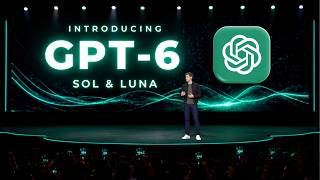
An analysis of the capabilities of three new models available in the ChatGPT Plus subscription: the powerful GPT-6 Astra, Sol, and Terra. This material examines how to effectively use the 20 USD limit to balance performance and cost when generating content.
Key takeaways 5
The gist of the content in a few sentences
- Astra offers the highest intelligence, Sol provides the optimal cost balance, and Terra stands out for its speed.
- All models correctly calculated the financial data, but Sol delivered the most polished mobile interface.
- The Sol model is five times cheaper than Astra, making it more cost-effective for complex programming projects.
- The 20 USD subscription offers variable message limits, with Astra consuming the user's allowance the fastest.
- Terra achieves the highest generation speed at 72 tokens per second, although it makes factual errors more frequently.
Video chapters 15Click and the video will play from the selected moment
- 0:36Characteristics of GPT-6 Astra, Sol, and Terra models
- 3:02Financial dashboard creation test
- 3:55Coding test results and model performance
- 6:56ChatGPT Plus subscription costs and plans
- 7:33ChatGPT Plus plan capabilities and tools
- 9:04Access to Astra, Sol, and Terra models
- 11:05Characteristics and costs of Astra, Sol, and Terra models
- 11:05Technical performance and analysis results
- 12:55Model selection recommendations
- 13:34Verifying Astra model capabilities
- 14:51Analysis of Sol and Terra model results
- 16:43Limitations and ambiguity of the Plus plan
- 18:45Ecosystem value vs. user profile
- 20:50Subscription value and limitations
- 20:59Strategy for using models in ChatGPT Plus
Summary
First 3 of 15 partsCharacteristics of GPT-6 Astra, Sol, and Terra models
Within the ChatGPT Plus plan, in the Work and Codex environments, three new models are available: GPT-6 Astra, Sol, and Terra. According to the speaker, they differ significantly in terms of cost and performance. One is described as the most intelligent, but also the one that consumes the allowance limit the fastest. The second model achieves results only two points lower than the most powerful one, while its API price is five times lower. The third in the set stands out primarily for having the highest operating speed of the three.
Financial dashboard creation test
To test the models' capabilities, the speaker conducted a test to build an interactive personal expense dashboard using Sites, which hosts pages directly within ChatGPT. Each model received the same prompt requiring a professional interface with sample transactions from three months, charts, filters, and dark mode. A key part of the verification was data consistency—checking if the totals in the cards matched the data in the transaction table.
The results of the first test showed that all three models correctly calculated the amounts. Astra created the Folio project in about 7.5 minutes, maintaining full precision to the cent. Sol completed the task in 6.5 minutes, offering better table responsiveness on mobile devices by implementing pagination. Terra was the fastest, finishing the work in slightly over 3 minutes, although the model admitted it did not check all control elements or the mobile layout.
Coding test results and model performance
In the first test, all three models correctly calculated the data, but they differed in pace and quality of execution. Terra was by far the fastest, though it checked its work the least often, which resulted in a smaller dashboard panel. Sol delivered the most polished result, while Astra was equally solid but required the most generation time. The speaker notes that these tests consumed the five-hour limit in under two hours.
The next challenge was to create an interactive page with a 3D solar system to test coding skills, visual appeal, and interaction. All models handled the basic functions, such as pause buttons, speed sliders, and planet information cards. Sol was named the winner of this test, creating the most visually impressive project with planet textures, a moving sun surface, and Saturn's rings, while maintaining full functionality and citing NASA data.
The Astra model was the fastest in this task, finishing in under five minutes, while Terra created the simplest version with untextured planets and minor interface errors, such as Saturn's rings overlapping the label. Despite these differences, the author expressed surprise that all three systems worked correctly from a technical standpoint.
Read the full summary – for free
12 parts of text left, key takeaways, facts, questions and answers, action items – with the source minute for every passage. Plus search, collections and the AI assistant.
Keep reading for freeFree, in a minute. Have an account? Log in